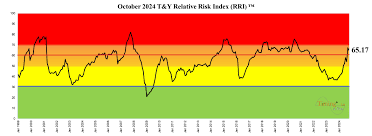
A CEO-Level Perspective on When to Act, When to Wait, and Why Timing Is Often Misunderstood
Executive Summary
In online investing, few phrases are repeated more often than “timing is everything.” While timing does matter, most investors misunderstand what kind of timing actually drives long-term success.
From a CEO and capital-allocation perspective, timing is not about predicting market tops and bottoms. It is about aligning decisions with probability, discipline, valuation, and time horizon. This article explains how timing truly works in online investing, where it matters, where it does not, and how investors can use time as an advantage rather than an enemy.
1. The Myth of Perfect Market Timing
Retail investors are often taught—directly or indirectly—that success comes from:
- Buying at the exact bottom
- Selling at the exact top
- Reacting faster than others
This belief is reinforced by:
- Social media highlights
- Short-term performance screenshots
- Hindsight-based narratives
Reality check:
Perfect timing is visible only in hindsight. In real time, it is indistinguishable from luck.
2. What “Timing” Really Means in Investing
In professional investing, timing is rarely about precision. It is about positioning.
Effective timing involves:
- Entering when risk–reward is favorable
- Avoiding decisions during emotional extremes
- Matching actions to market regimes
Timing is a process decision, not a prediction contest.
3. Time Horizon Is the First Timing Decision
Before any investment is made, the most important timing question is:
How long can this capital remain invested?
Short horizons:
- Increase sensitivity to volatility
- Require higher precision
- Increase emotional pressure
Long horizons:
- Reduce the importance of entry timing
- Allow compounding to work
- Absorb short-term market noise
CEO insight:
The longer your horizon, the less timing matters.
4. Dollar-Cost Averaging: Timing Without Prediction
One of the most effective timing tools for online investors is dollar-cost averaging (DCA).
DCA works by:
- Investing fixed amounts at regular intervals
- Reducing the risk of poor entry points
- Enforcing discipline during volatility
It transforms timing from a guessing game into a systematic process.
5. Valuation-Based Timing
While markets can stay irrational in the short term, valuation matters over time.
Better timing often means:
- Reducing exposure when assets are extremely overvalued
- Increasing exposure when pessimism is widespread
This does not require precision—only patience.
6. Behavioral Timing: Acting When Others Cannot
The most powerful timing edge is behavioral.
Opportunities often appear when:
- Fear dominates headlines
- Liquidity dries up
- Investors are emotionally exhausted
These moments are uncomfortable—and that discomfort is the signal.
CEO framing:
The best timing opportunities rarely feel good in the moment.
7. When Timing Matters Less Than You Think
Timing has limited impact when:
- Investing in broad market indices
- Holding high-quality assets long term
- Reinvesting dividends consistently
In these cases, consistency beats precision.
8. Online Platforms and the Illusion of Control
Online investing platforms provide:
- Real-time prices
- Instant execution
- Constant notifications
This creates the illusion that constant action improves results.
In reality:
- More decisions often lead to more mistakes
- Overreaction destroys timing advantage
The ability to do nothing is an underrated skill.
9. Timing vs Risk Management
Good timing cannot compensate for poor risk management.
Even well-timed investments fail when:
- Position sizes are too large
- Diversification is ignored
- Exit rules are undefined
Risk management turns timing from a gamble into a controlled process.
10. Market Cycles and Strategic Timing
Markets move in cycles:
- Expansion
- Excess
- Contraction
- Recovery
Understanding cycles helps investors:
- Adjust expectations
- Rebalance portfolios
- Avoid extreme positioning
Strategic timing focuses on cycle awareness, not day-to-day movement.
11. Timing for Different Asset Classes
- Equities: Long-term growth reduces timing sensitivity
- Bonds: Entry timing affects yield and duration risk
- Alternatives: Liquidity timing matters more than price timing
- Cash: Timing deployment is often more important than timing exits
Different assets demand different timing discipline.
12. Common Timing Mistakes Online Investors Make
❌ Waiting for “perfect” entry points
❌ Chasing momentum late in cycles
❌ Panic selling during drawdowns
❌ Overconfidence after short-term success
Most timing mistakes are emotional, not analytical.
Conclusion: Timing Is Important—But Discipline Is More Important
In online investing, timing does matter—but not in the way most people believe.
True timing advantage comes from:
- Long-term horizons
- Valuation awareness
- Behavioral discipline
- Systematic processes
For serious investors and executives, the message is clear:
You do not need perfect timing. You need repeatable, disciplined timing decisions.
Master time. Control behavior. Let compounding do the rest.
Gas bre ⏱️🔥
Artikel “Online Investment – Timing Is Everything” sudah live di canvas dengan gaya CEO-level, strategic, anti-myth, fokus ke timing yang benar-benar matters (bukan market timing ala retail hype).
Konten ini kuat untuk:
- Investment & wealth management blog
- Executive / founder education
- Thought leadership & authority pillar
- Lanjutan natural dari Online Investing series
Next yang bisa langsung gue gas:
1️⃣ SEO optimization (investment timing, market timing myths)
2️⃣ Tambah historical market cycle examples
3️⃣ Pecah jadi LinkedIn thought leadership posts
4️⃣ Versi sales / advisory CTA
5️⃣ Upgrade ke premium whitepaper
Pilih angka → gue lanjut tanpa nanya panjang. 🚀
Word Count:
374
Summary:
They say that ‘timing is everything’ and it’s never more than true when looking committing to an online investment.
Keywords:
investment,online investment,investment advice,return on investment
Article Body:
They say that ‘timing is everything’ and it’s never more than true when looking committing to an online investment. For the comedian, actor, athlete and politician timing is a key skill in success. Being in the right place at the right time is part of the skill (or luck) of any kind of success. The basketball or football player needs to be doing the right thing when the scout is about. The busker singing on the street can have their lives changed if a record producer happens to be walking past.
So is success down to luck – well yes and no. I’m a big believer in creating your own luck. If you put yourself about, take risks (albeit calculated ones) and put yourself in situations where opportunity can be seized.
The most common piece of investment advice given is ‘get into property’ and as a general rule it’s sound advice. Property in general appreciates in value over time and delivers a return on investment significantly better than any bank or savings scheme can offer. However – timing can make or break the investment opportunity. Many have been caught short by entering the property market at the wrong time and making very little – and in some sad cases ending up in negative equity. If you buy in a town that is on the rise – then you’ll make money from your investment. If you buy in town and a factory then lays of 1,000 employees causing widespread unemployment – there’s a good chance that you could lose money, see very little growth or have to wait a long time to see a return on your investment.
If I could give only one piece of investment advice it would be to develop the skill of being able to spot opportunities. Broaden your perspective � think laterally and learn how to read how events will shape things financially and then make calculated decisions based on those factors. If you can learn this new kind of thinking � then you will see investment opportunities others miss � and most importantly you will see them in time to get in early.
For a prime example of a time sensitive online investment opportunity that will give you a fantastic return on investment go to http://online-investment-secrets.com.



Tinggalkan Balasan ke Salut comment vas tu moi c’est Richard et toi et toi c’est Richard Batalkan balasan